Veterinary Anatomy
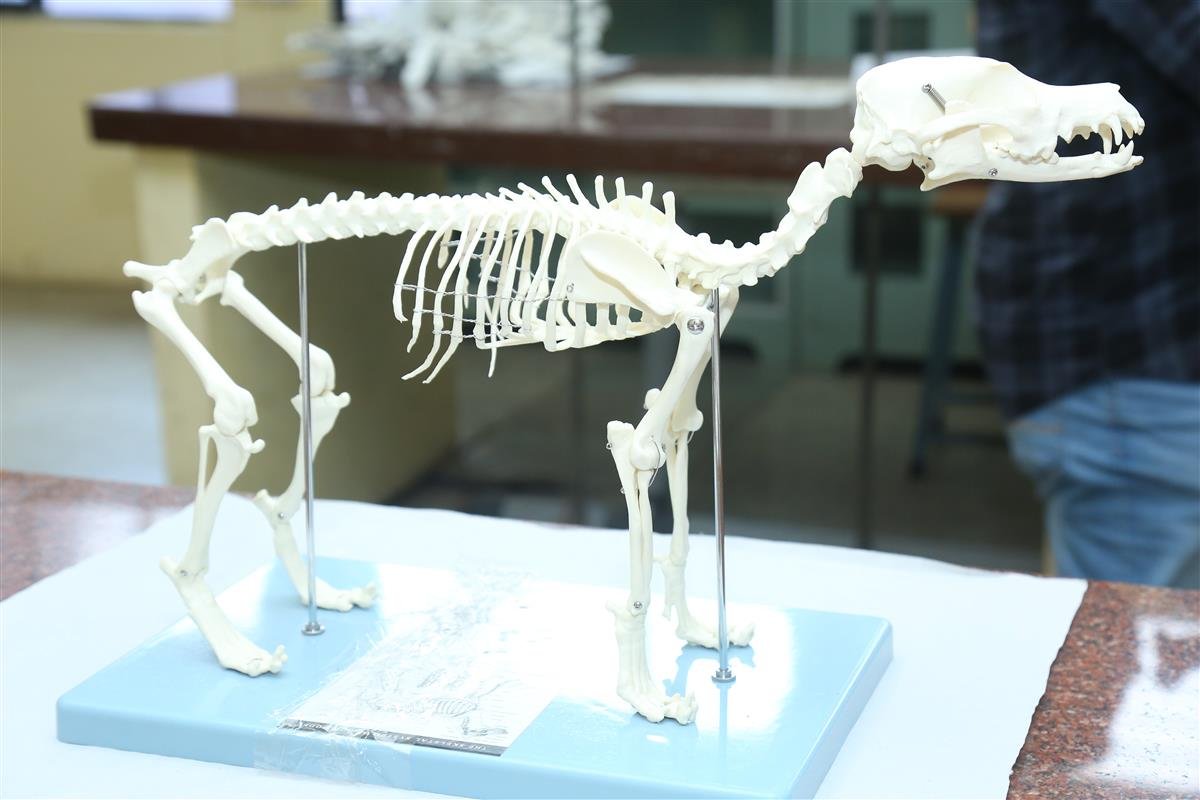
Studies the structure of the animal body through practical anatomy, dissection, and applied clinical correlation.
Veterinary Physiology
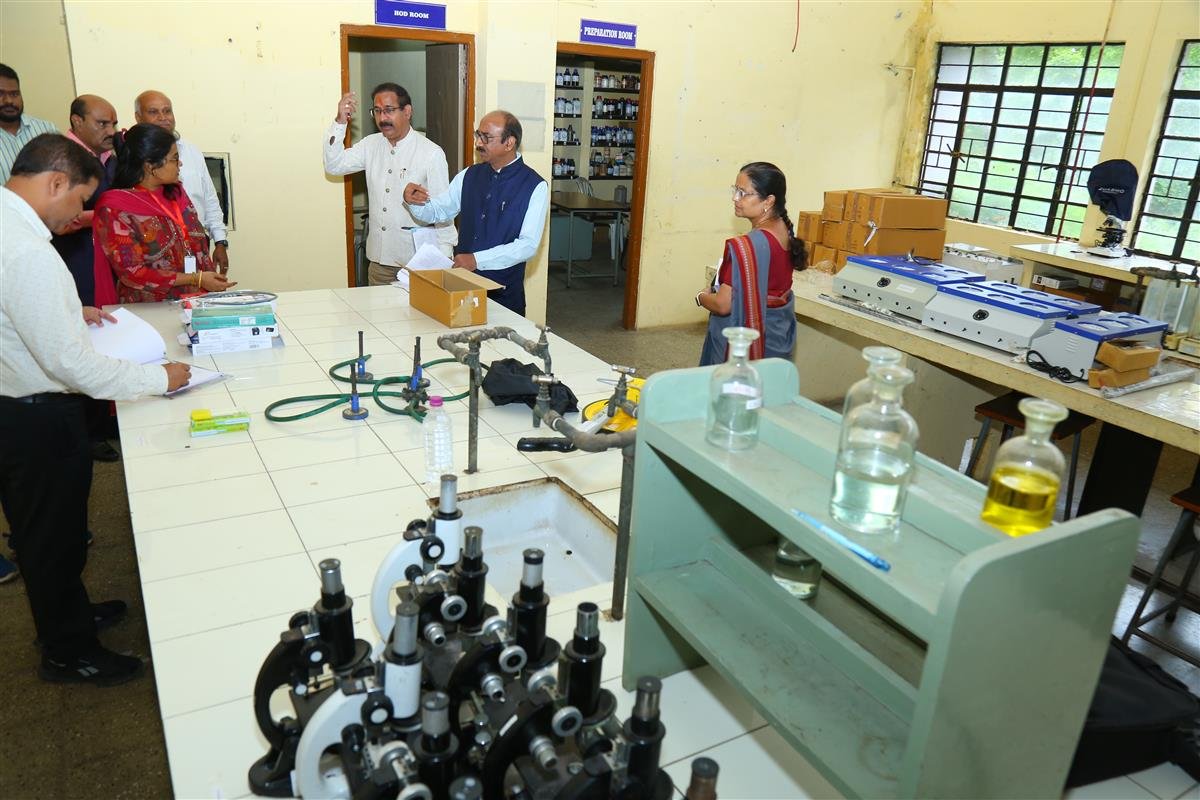
Explores normal body functions and prepares students to understand animal health and performance.
Veterinary Biochemistry
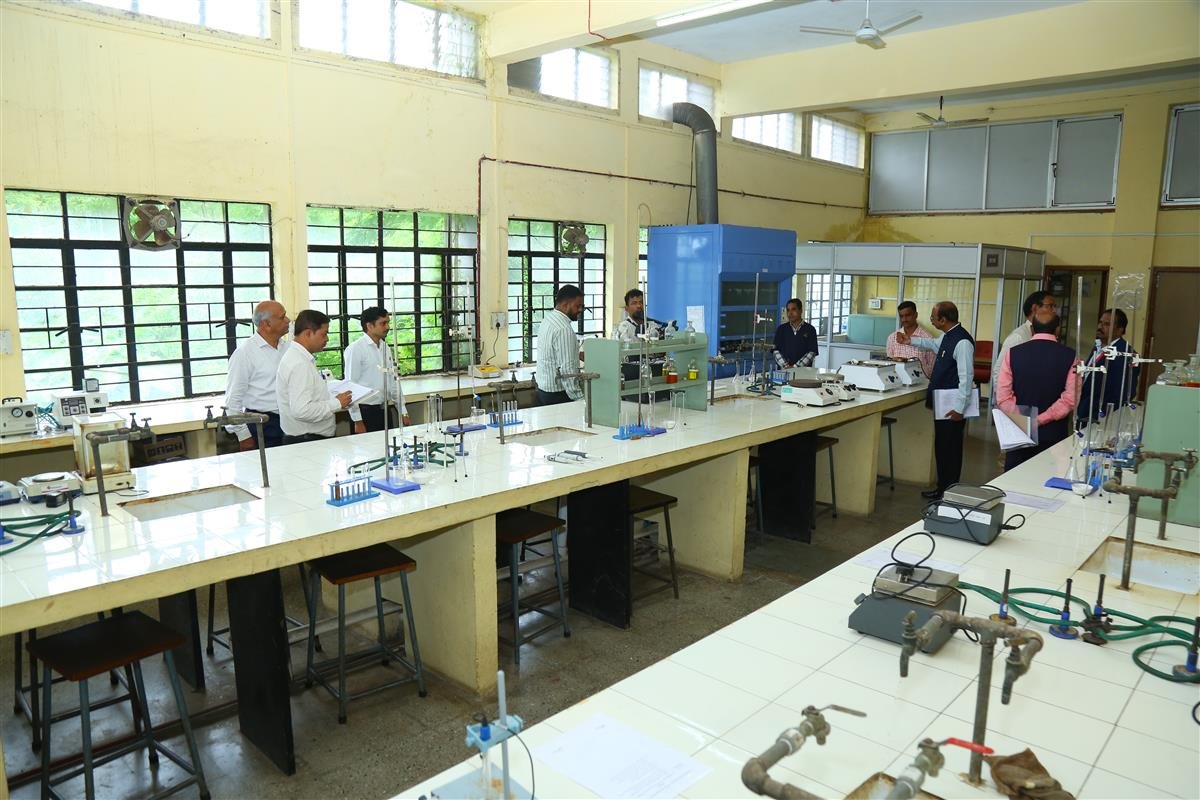
Builds understanding of biomolecules, metabolism, and laboratory concepts essential for veterinary science.
Veterinary Medicine
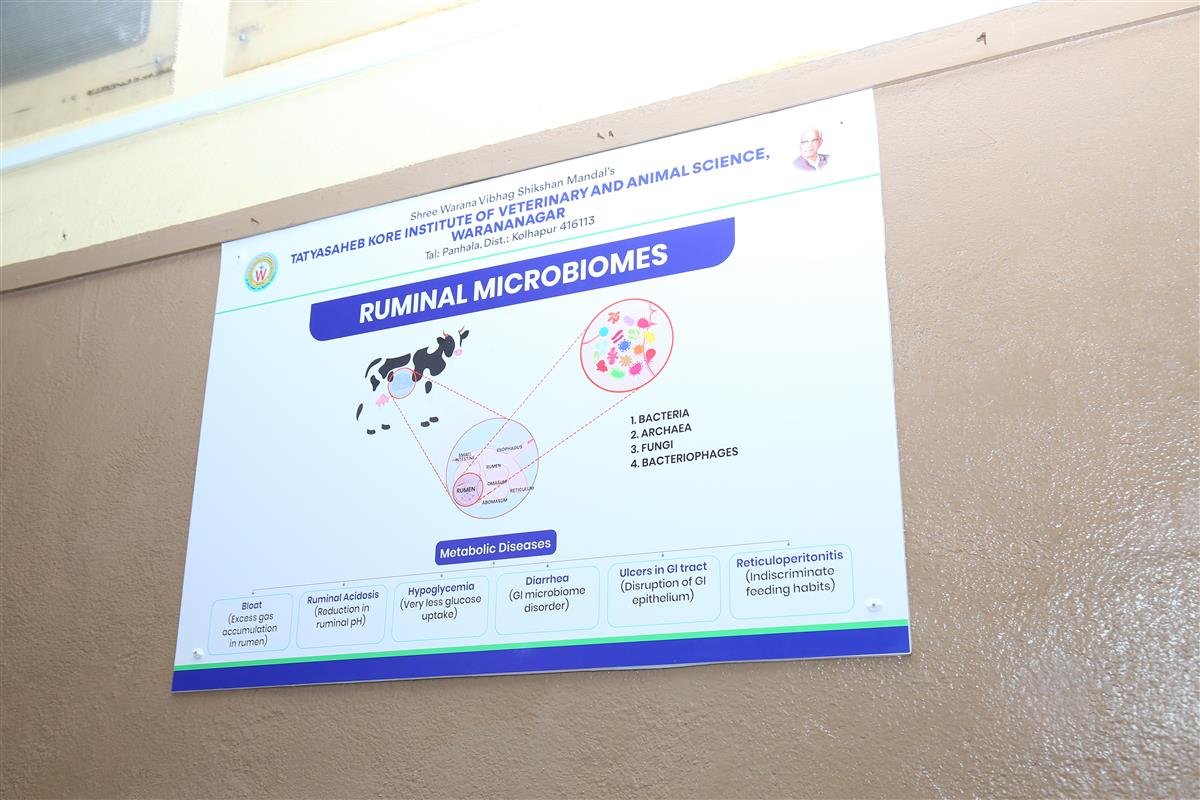
Focuses on diagnosis, treatment, and prevention of diseases in companion and farm animals.
Veterinary Surgery & Radiology
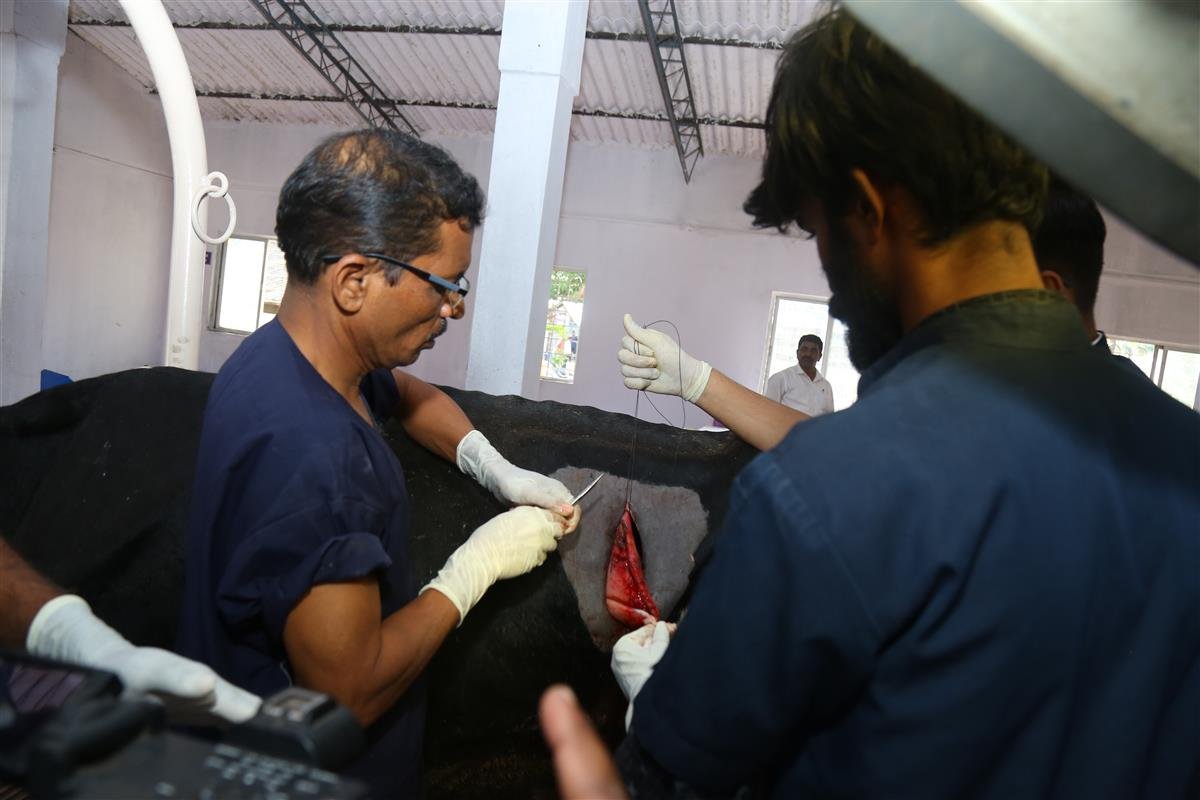
Trains students in surgical procedures, anesthesia, imaging, and advanced clinical case management.
Veterinary Pathology
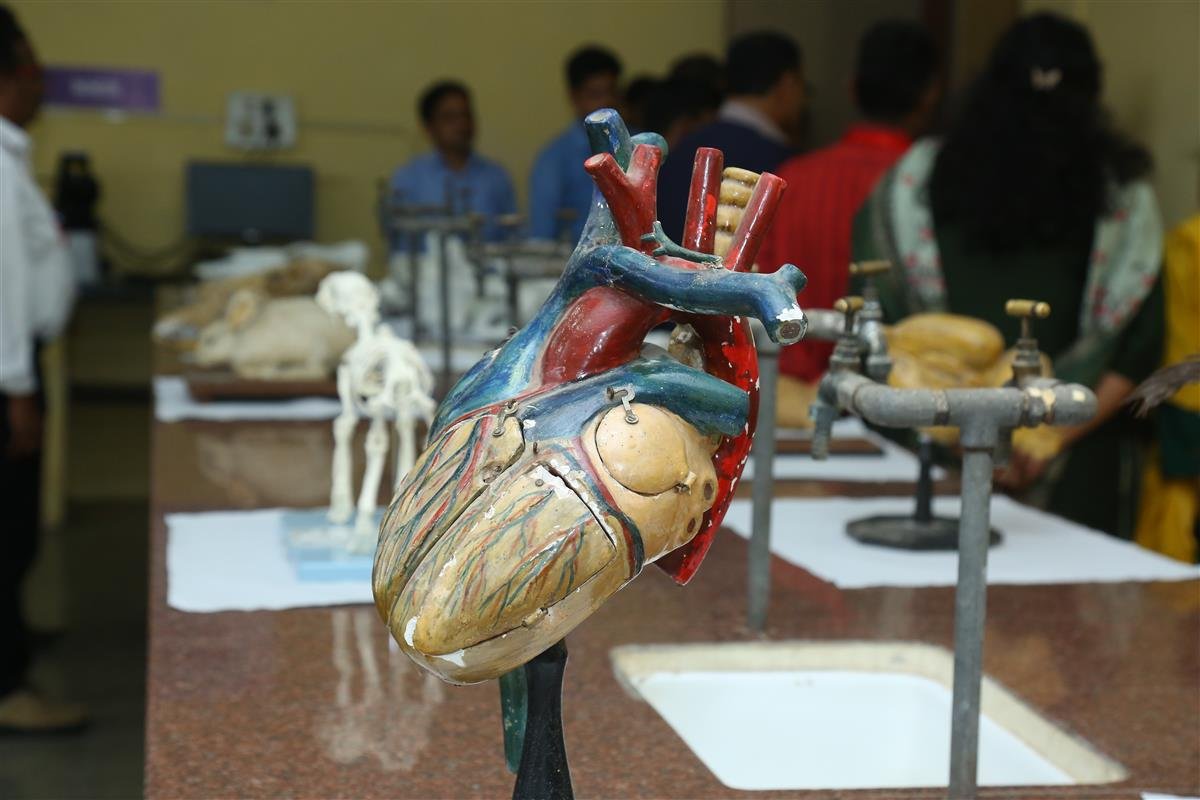
Explains disease processes through pathology, necropsy, and laboratory diagnosis.
Veterinary Microbiology
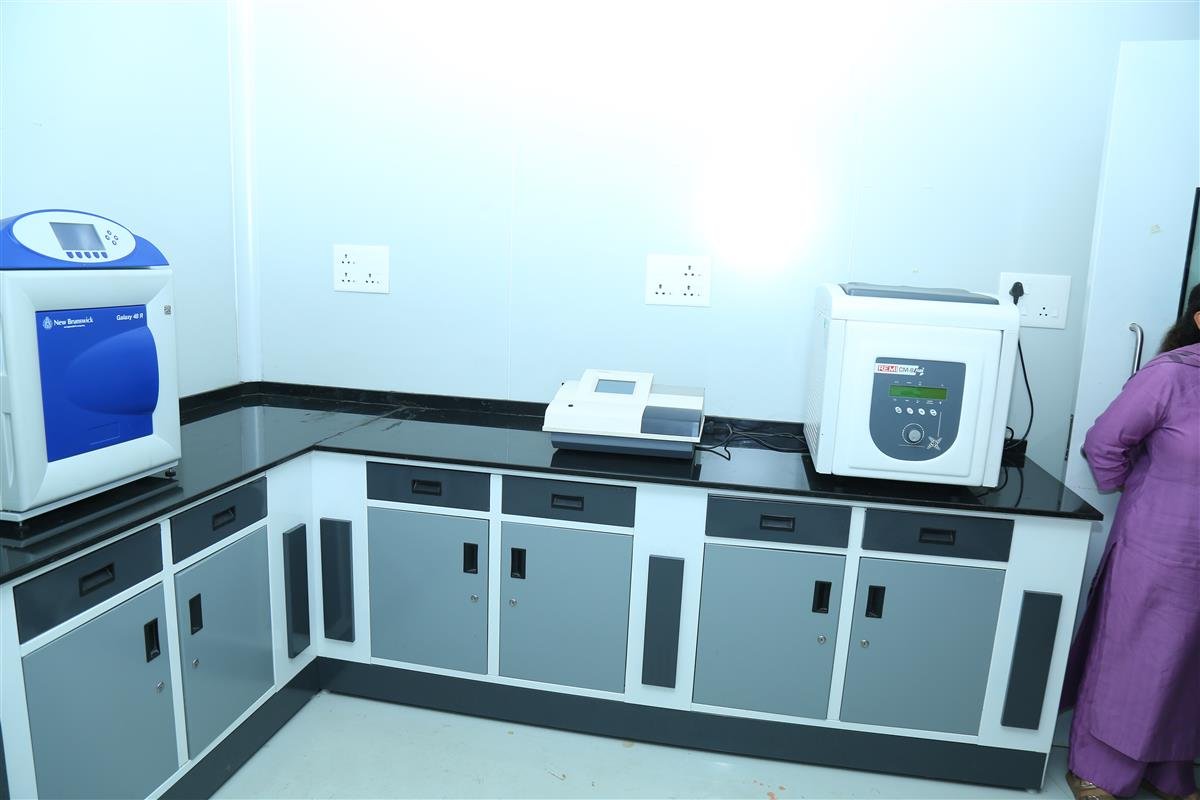
Covers bacteria, viruses, fungi, and immune response with strong emphasis on disease control.
Veterinary Public Health
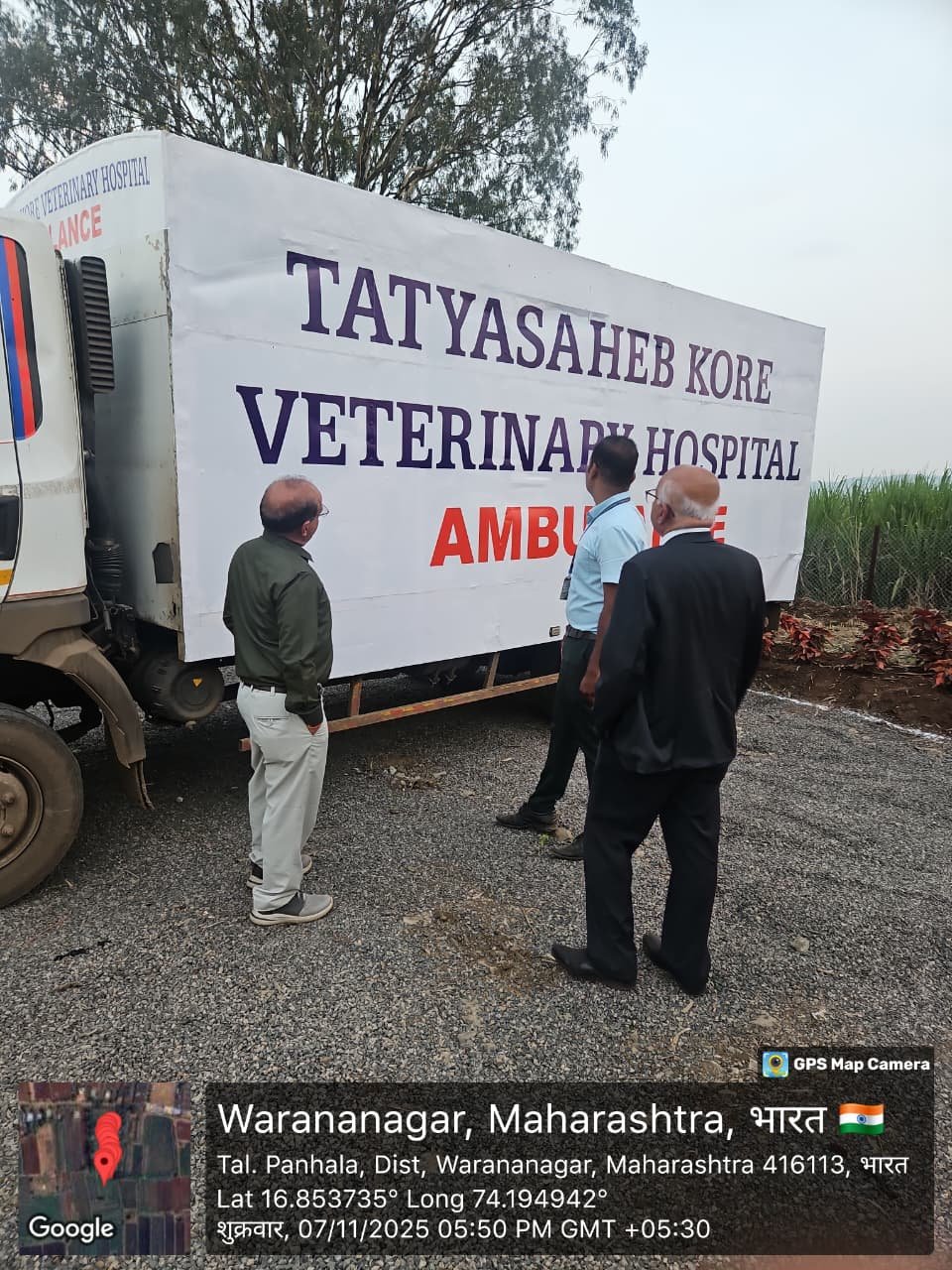
Connects animal health with food safety, zoonotic disease prevention, and community welfare.
Poultry Science
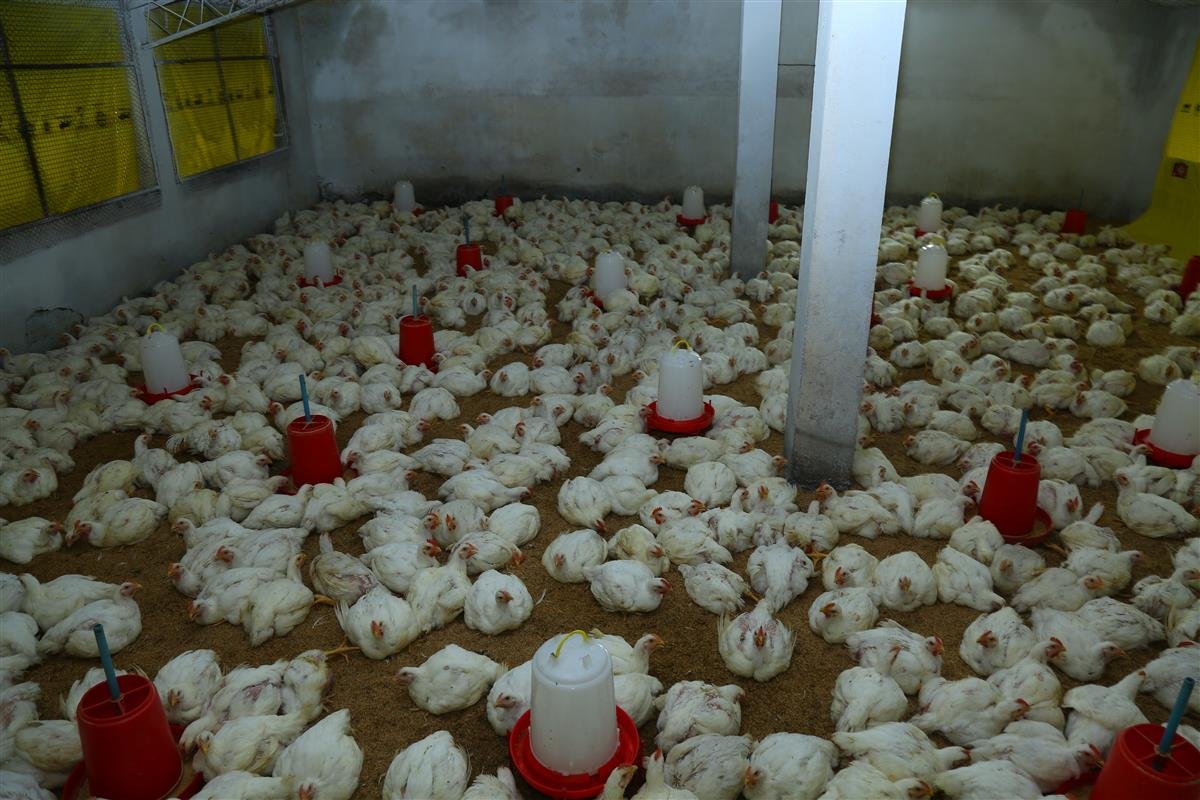
Provides practical knowledge of poultry production, hatchery management, nutrition, and health care.
Animal Nutrition
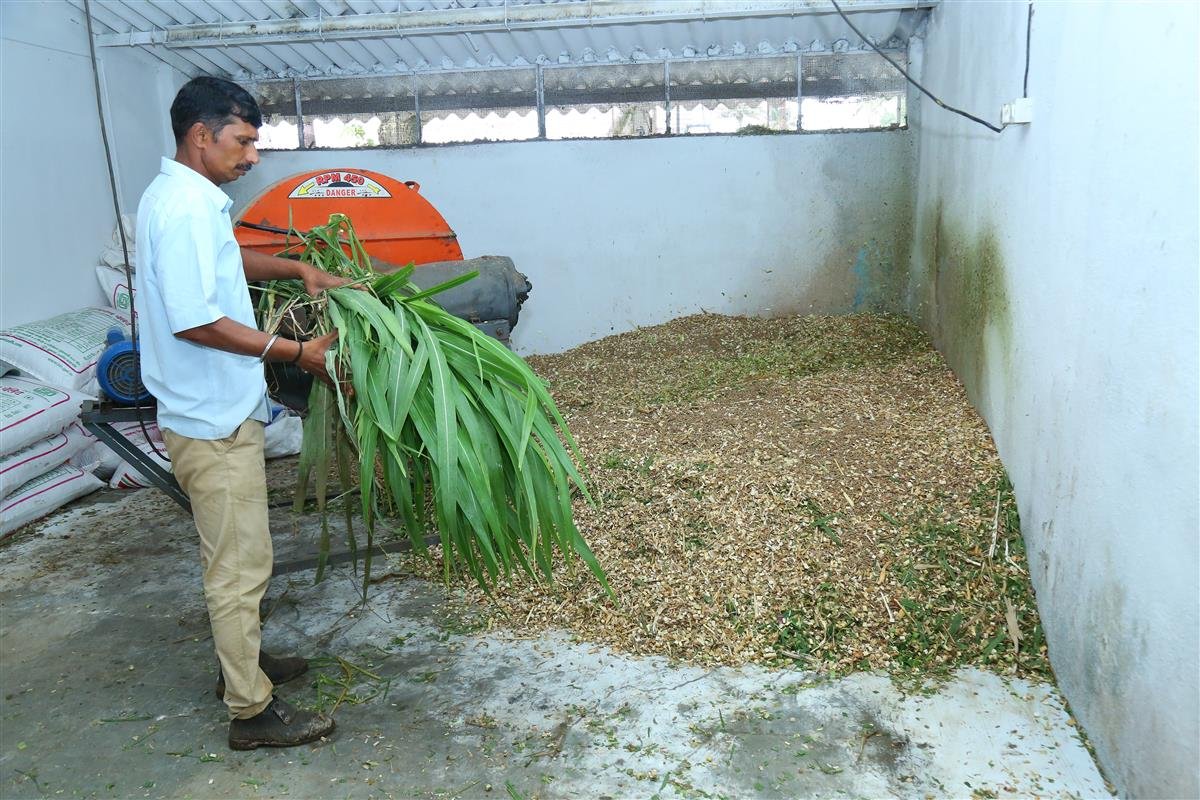
Teaches feed formulation, nutrient balance, and diet planning for healthy and productive livestock.
Animal Genetics & Breeding
Introduces heredity, selection, breeding systems, and genetic improvement of livestock.
Livestock Production Management
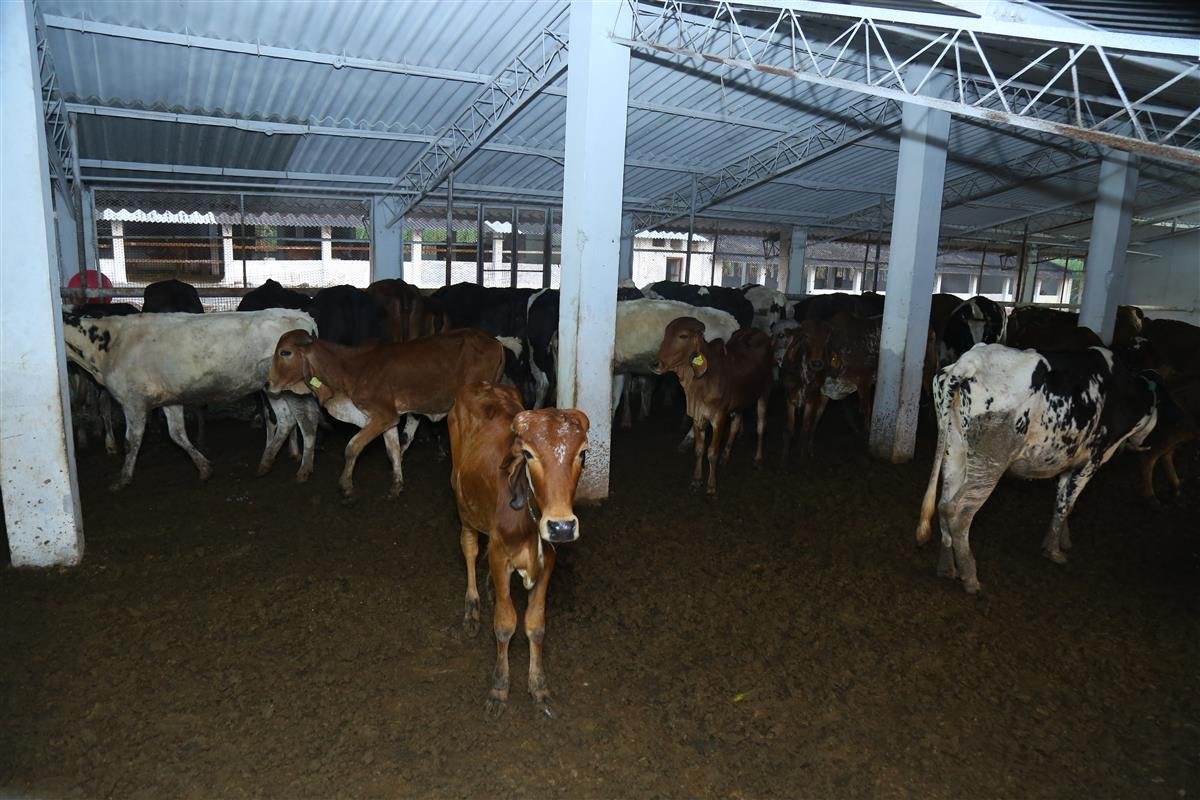
Covers scientific management of livestock farms, housing, reproduction, and productivity.
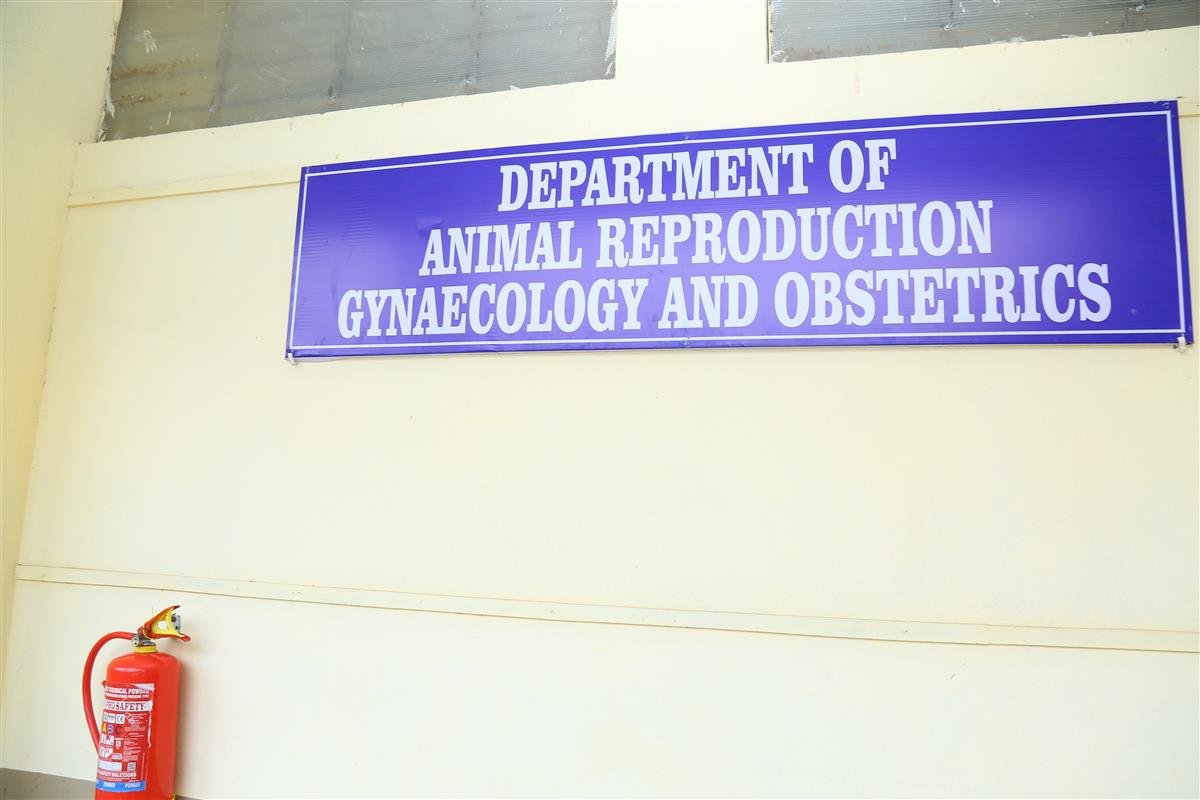
Veterinary Gynaecology & Obstetrics
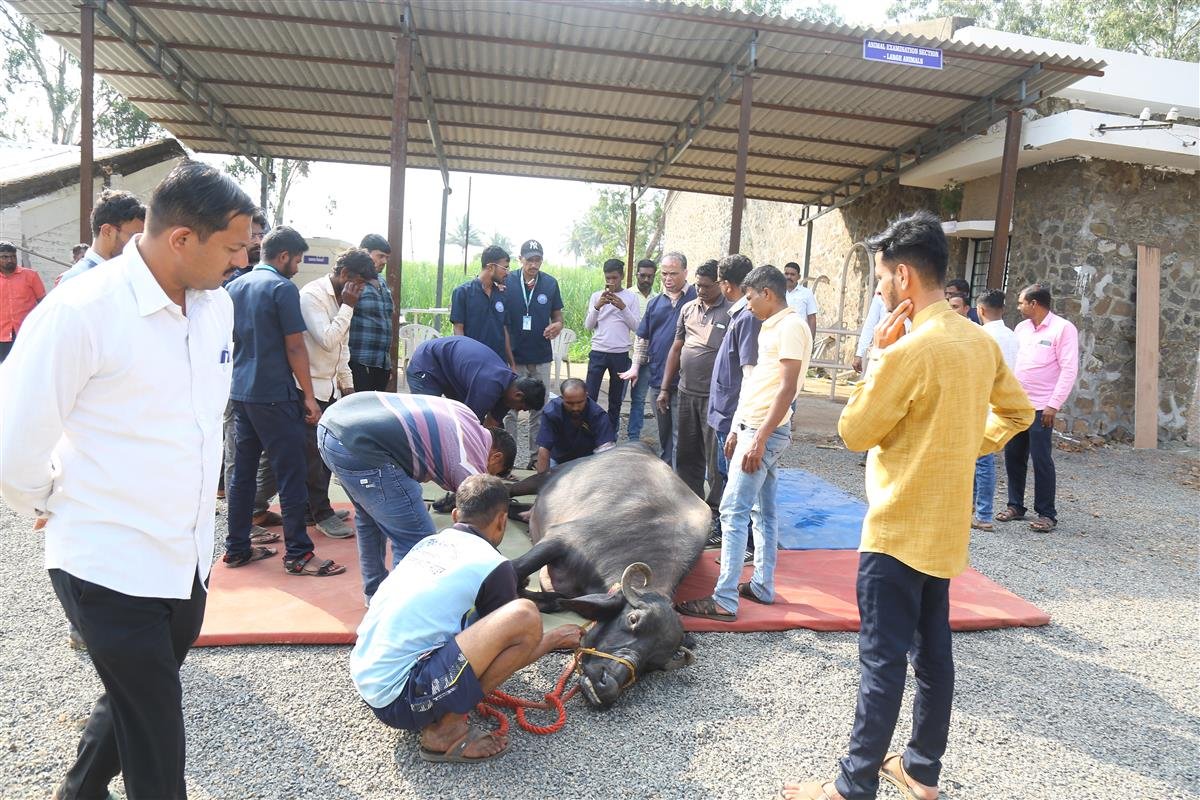
Focuses on reproduction, pregnancy care, parturition, and fertility management in animals.
Livestock Products Technology
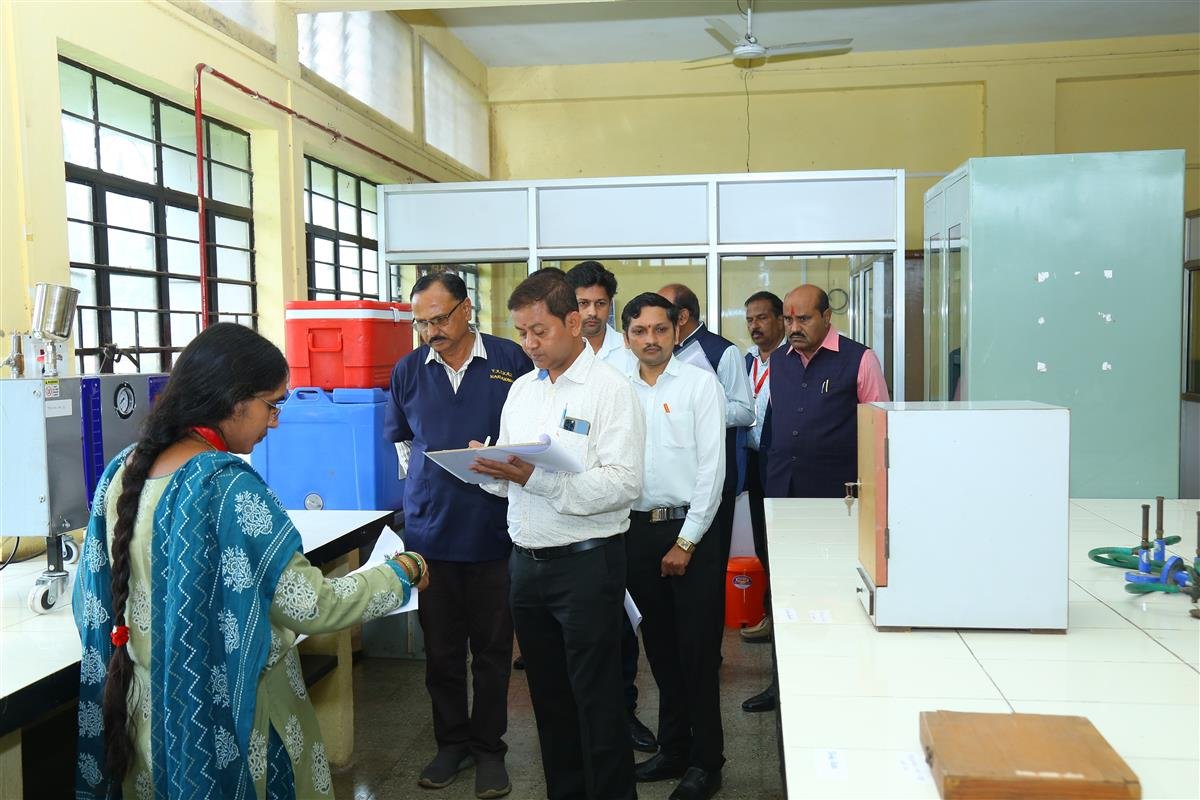
Deals with processing, value addition, and quality control of milk, meat, and other animal products.
Veterinary Pharmacology & Toxicology
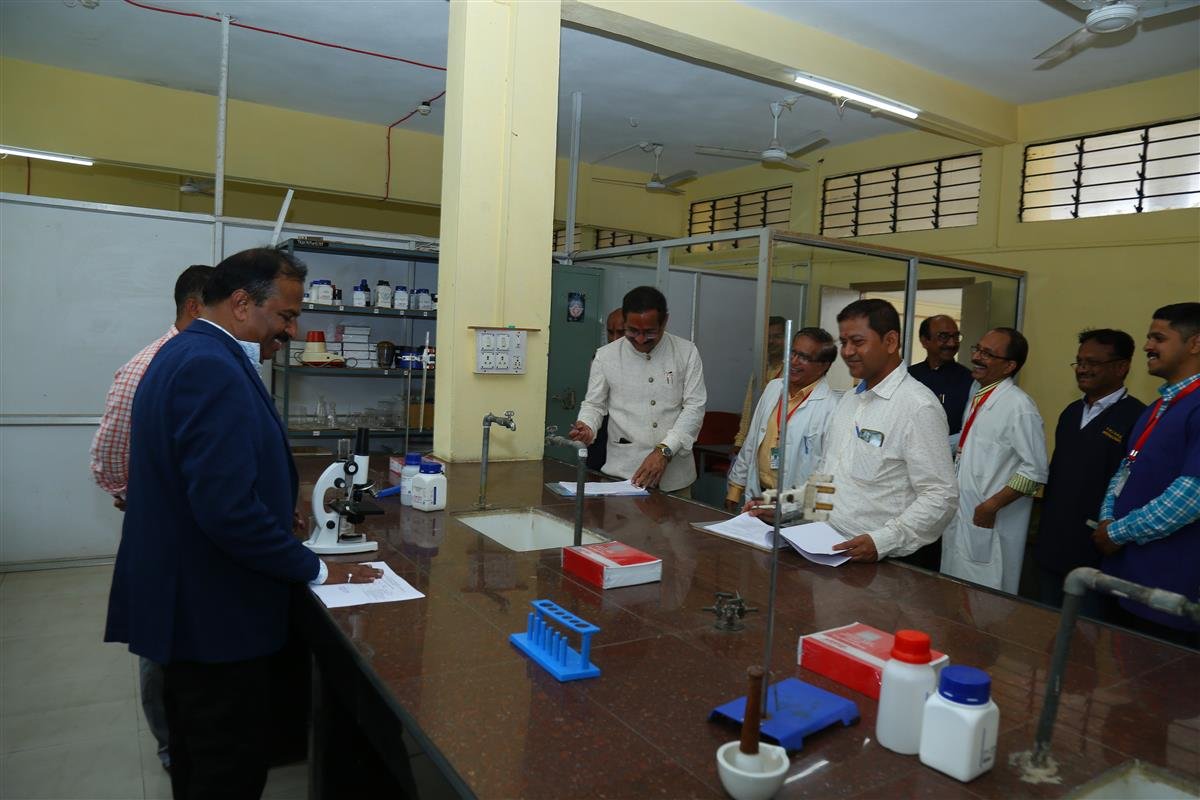
Studies drugs, their safe use, and the diagnosis and management of toxic exposures.
Veterinary Clinical Complex
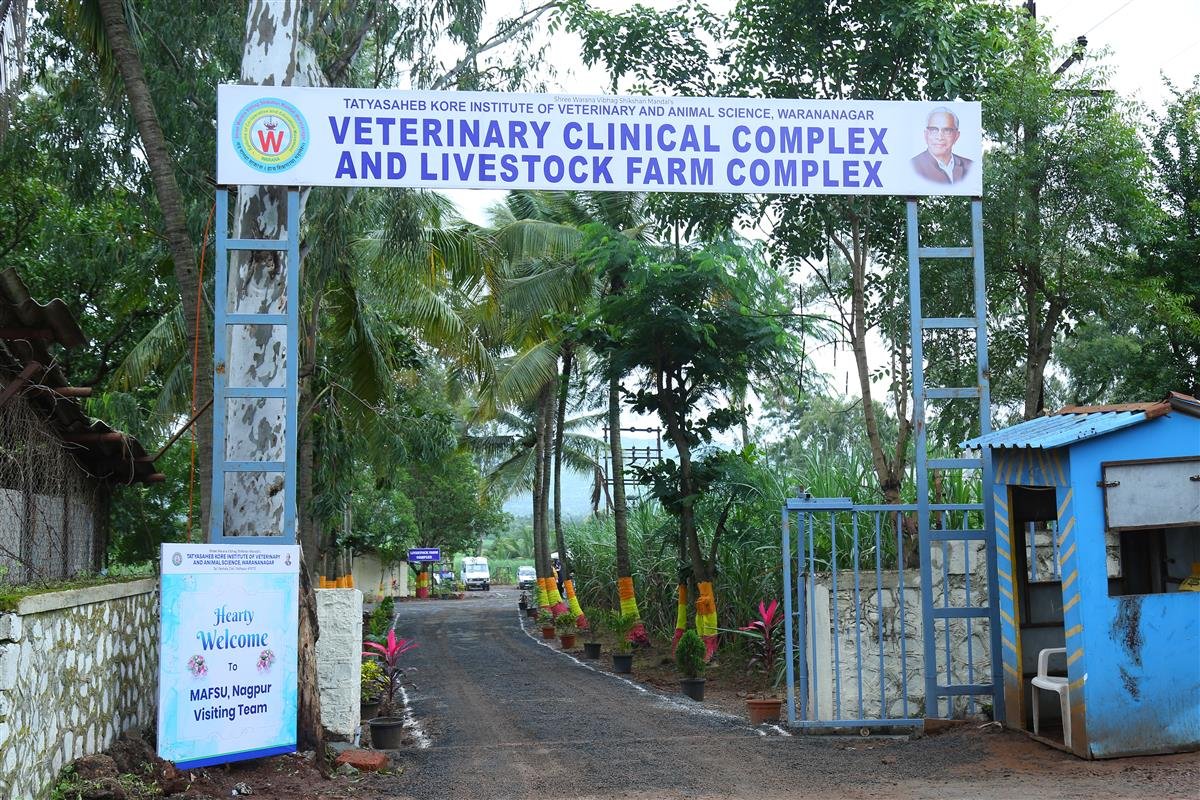
Serves as the teaching hospital for diagnosis, surgery, emergency care, and hands-on clinical training.